
Home > Taking Action > Our Businesses > Our High Growth Clusters and Innovation Ecosystem
Our High Growth Clusters and Innovation Ecosystem
Why it matters
The West Midlands is home to globally leading businesses and world-class research from 15 universities, with strengths at the intersection of traditional industries and emerging technologies. For over 200 years, the region has shaped the global economy and continues to lead in sectors driving 21st-century growth. The Plan for Growth (2022) identified eight key economic clusters with strong investment potential and a few emerging ones, representing around 15% of the regional economy but with outsized potential to boost productivity and create high-value jobs. The UK’s Modern Industrial Strategy (2025) aligns with this vision, aiming to increase business investment by harnessing regional sector strengths and unlocking local, inclusive growth opportunities.
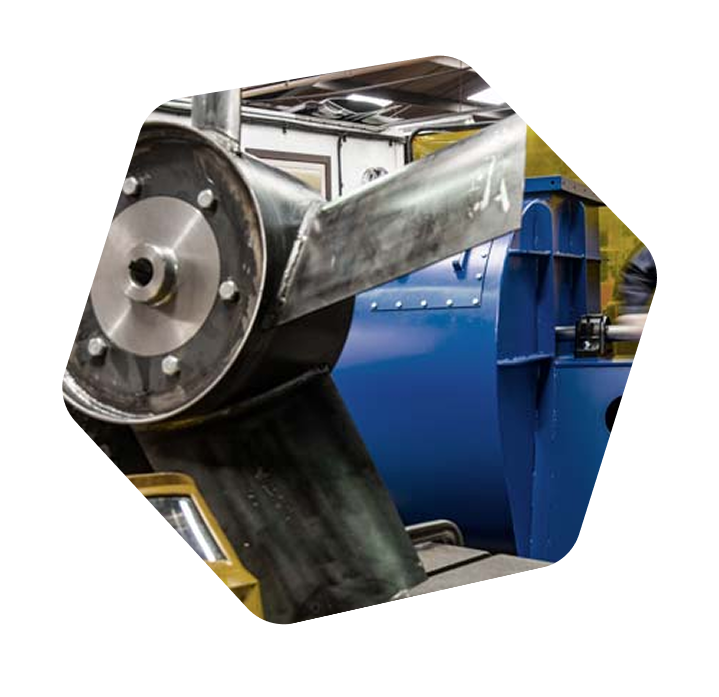
Manufacturing supports 273,000 jobs and contributing £22 billion annually. Anchored by major firms and innovation centres, the West Midlands has deep, high-value supply chains and is becoming a hub for next-generation manufacturing, driven by robotics, AI, and a dynamic logistics sector. A global shift toward net zero, digitalisation, and supply chain resilience creates opportunities to strengthen emerging sectors like electric vehicles and low-carbon aerospace.
This cluster is diverse and wide-ranging, represented by the following Cluster bodies:
West Midlands Logistics & Distribution Cluster – Connected Places Catapult
Home – West Midlands Future Homes Cluster
WMG: Electric Light Vehicle and Battery
Smart energy systems are key to achieving the net zero goal by 2041 and future economic growth. The West Midlands has a nationally recognised edge in energy systems, with strengths in heat pumps and smart technologies highlighted in the Modern Industrial Strategy. A mix of specialist SMEs, major firms and leading centres are together supporting around 20,000 jobs.
The Cluster body representing the Clean Tech and Smart Energy Systems Cluster is: Energy Systems Catapult
The West Midlands has considerable strengths in medical devices, diagnostics and associated digital healthcare, with the largest medical devices cluster in the UK comprising over 700 firms, employing over 14,000 people and generating a combined turnover of £6bn.
The region is home to several large medical research facilities and the Centre for Translational Medicine with a large and diverse population. The region’s engineering and materials expertise is directly relevant to the development and manufacture of medical devices. The West Midlands’ universities produce 11,000 medical science graduates each year, plus allied higher-level skills in engineering and data. In addition there is private and public investment into world-class facilities, such as the Birmingham Health Innovation Campus.
The Health and medical devices, diagnostics and associated healthcare Cluster is represented by a Cluster body led by Medilink
Business professional and financial services are substantial and growing contributors to both jobs and GVA in the West Midlands economy, creating an estimated 178,300 total jobs (13% of the region’s total), and £17bn total GVA (23% of the region’s total) with a productivity of over £95,000 GVA per employee, well above the economy average.
The Modern Industrial Strategy recognises this strength, highlighting the innovation potential of next generation services and the region’s easy access to client and talent pools due to its proximity to London, the rest of the UK and international destinations.
The Next Generation Services Cluster is represented by Super Tech WM
The West Midlands has been recognised by the UK government as one of the fastest growing tech hubs in the UK, with a highly diverse digital sector and notable strengths in Artificial Intelligence (AI), Advanced Connectivity Technologies (ACT), Quantum Technology and Cyber Security Technologies.
In 2025, the wider Midlands’ combined tech ecosystem reached a £14 billion market valuation, reflecting a 20% growth in value since 2020 driven by sustained investment and startup performance.
Our creative and cultural industries have notable strengths in content creation, video games, music and performing arts, design and CreaTech – and these strengths are being fuelled by the demographic structure of the region and the role of key anchor institutions like the BBC and Digbeth Loc Studios.
The Cluster bodies representing the Digital, Creative and Tech Cluster are: Create Central | Home of original storytelling and Tech WM.
What we want to see in 10 years



Residents will have access to high-skill, well-paid careers in the West Midlands. Local businesses will gain confidence from clear long-term cluster strategies, while outside investors and entrepreneurs will be drawn by the region’s strong commitment to its key strengths, creating new jobs.